Why Grass-Fed Tallow is a Superior Choice
Not all tallow is created equal. The quality of tallow depends heavily on how the animal was raised, with grass-fed tallow consistently outperforming conventional options in terms of nutrient density, purity, and sustainability.
In this post, we’ll break down the differences between grass-fed and conventional tallow, why they matter for your skin, and how to choose the best option for your skincare routine.
The Basics: What is Tallow?
Tallow is rendered fat from animals, typically cows or sheep. While all tallow provides fatty acids and fat-soluble vitamins, the nutrient profile can vary significantly depending on the animal’s diet and living conditions.
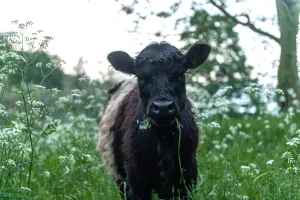
- Grass-Fed Tallow: Derived from animals raised on pasture, consuming a natural diet of grass.
- Conventional Tallow: Comes from grain-fed animals raised in industrial farming systems, often fed processed or low-quality feed.
Key Differences Between Grass-Fed and Conventional Tallow
1. Nutrient Density
Grass-fed tallow contains significantly higher levels of skin-nourishing nutrients compared to conventional tallow.
- Omega-3 Fatty Acids: Found in higher concentrations in grass-fed tallow, omega-3s help reduce inflammation and promote skin repair.
- Conjugated Linoleic Acid (CLA): Grass-fed animals produce more CLA, a natural anti-inflammatory compound that soothes irritated or damaged skin.
- Vitamins A, D, E, and K: Grass-fed tallow contains higher levels of fat-soluble vitamins essential for skin health.
According to Sustainable Food Trust, grass-fed farming practices improve the nutritional quality of animal products, making them healthier for both people and the environment.
2. Purity and Safety
Conventional tallow often comes from animals raised on grain-based diets, sometimes supplemented with antibiotics and hormones. This can lead to:
- Lower nutritional quality.
- Potential exposure to chemical residues.
Grass-fed animals, by contrast, are raised on natural pastures, resulting in a purer, cleaner fat source that’s ideal for skincare products.
3. Sustainability and Environmental Impact
Grass-fed tallow is a more sustainable choice for several reasons:
- Supports Regenerative Agriculture: Grass-fed farming improves soil health and biodiversity.
- Reduced Carbon Footprint: Grazing animals help sequester carbon in the soil, offsetting greenhouse gas emissions.
- Ethical Practices: Grass-fed systems prioritize humane treatment of animals.
Conventional farming, on the other hand, often relies on feedlots, monoculture crops, and intensive resource use, leading to significant environmental degradation.
For an in-depth look at how grass-fed farming benefits the environment, visit Regeneration International.
Why Grass-Fed Tallow is Better for Your Skin
1. Superior Hydration and Repair
The higher levels of omega-3s and CLA in grass-fed tallow make it particularly effective for:
- Repairing the skin barrier.
- Reducing redness and inflammation.
- Deeply hydrating dry or sensitive skin.
2. Free from Unnecessary Additives
Grass-fed tallow is typically sourced from cleaner, more natural farming practices, ensuring no exposure to unnecessary chemicals or fillers that may irritate the skin.
How to Identify Quality Tallow in Skincare Products
1. Look for Grass-Fed Labels
Ensure the product specifies “grass-fed” or “pasture-raised” tallow on the label. This indicates a commitment to sourcing from ethical, sustainable farms.
2. Check the Brand’s Transparency
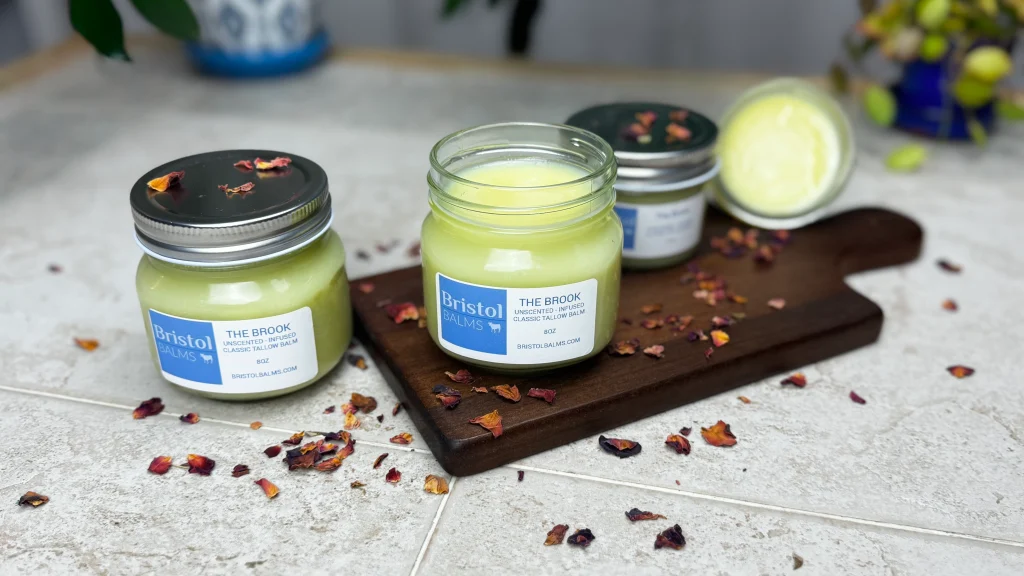
Reputable brands like Bristol Balms provide detailed sourcing information, ensuring consumers know where their ingredients come from.
3. Avoid Artificial Additives
High-quality tallow balm should have a short, natural ingredient list free from synthetic preservatives, fragrances, or emulsifiers.
FAQs: Grass-Fed vs. Conventional Tallow
1. Is grass-fed tallow worth the extra cost?
Yes. The higher nutrient density, purity, and sustainability of grass-fed tallow make it a superior choice for both skincare and environmental impact.
2. How does grass-fed tallow benefit sensitive skin?
Grass-fed tallow is rich in anti-inflammatory compounds like CLA and omega-3s, making it ideal for calming sensitive or irritated skin.
3. Are all tallow balms made with grass-fed tallow?
No. Many conventional tallow products use lower-quality fat from grain-fed animals. Always check the label or brand transparency for sourcing information.
4. Does grass-fed tallow support sustainable farming?
Yes. Grass-fed farming promotes regenerative agriculture, reduces carbon emissions, and supports ethical treatment of animals.
Why Grass-Fed Tallow is the Gold Standard in Skincare
Grass-fed tallow offers a level of quality, sustainability, and effectiveness that conventional tallow simply can’t match. From its superior nutrient profile to its alignment with ethical farming practices, grass-fed tallow is the clear choice for anyone seeking the best in natural skincare.
Ready to experience the benefits of grass-fed tallow? Explore our collection of grass-fed tallow balms and elevate your skincare routine today.
Want to learn more about the benefits of tallow balm? Check out our comprehensive guide: What is Tallow Balm