A Return to Nature
For centuries, animal fats like tallow, lard, and lanolin were staples in skincare, prized for their ability to hydrate, protect, and heal. As the beauty industry shifted toward synthetic and plant-based ingredients, animal fats fell out of favor. Today, however, they are experiencing a resurgence, thanks to their unmatched compatibility with human skin and sustainability benefits.
In this post, we’ll explore the role of animal fats in skincare, their unique properties, and why they’re making a comeback in natural beauty.
The Historical Role of Animal Fats in Skincare
Centuries of Use Across Cultures
Animal fats have been used in skincare for thousands of years. Examples include:
- Ancient Egypt: Tallow and other animal fats were mixed with essential oils to create balms used for hydration and preservation.
- Indigenous Cultures: Native peoples used rendered animal fats to protect skin from harsh weather and heal wounds.
- Medieval Europe: Tallow was a common ingredient in homemade soaps, salves, and pomades.
Why Animal Fats Were Popular
- Readily Available: As a byproduct of farming and hunting, animal fats were easily sourced.
- Highly Effective: Their composition closely mimics the natural oils in human skin, making them ideal for hydration and repair.
- Versatile: Used in everything from moisturizers to soap and hair treatments.
What Makes Animal Fats Unique in Skincare?
1. Compatibility with Human Skin
Animal fats like tallow share a similar fatty acid profile to human sebum, the natural oil our skin produces. This makes them highly absorbent and non-irritating, even for sensitive skin.
Key Components:
- Oleic Acid: Deep hydration and improved skin elasticity.
- Stearic Acid: Strengthens the skin barrier and smooths texture.
- Palmitic Acid: Conditions and softens the skin.
2. Rich Nutrient Profile
Animal fats are packed with fat-soluble vitamins and antioxidants that promote skin health:
- Vitamin A (Retinol): Promotes cell turnover and reduces fine lines.
- Vitamin D: Enhances skin healing and repair.
- Vitamin E: Protects against free radical damage.
- Vitamin K: Reduces discoloration and promotes even skin tone.
3. Long-Lasting Hydration
Unlike water-based moisturizers, which evaporate quickly, animal fats form a protective barrier that locks in moisture for hours. This makes them especially effective for dry, cracked, or aging skin.
Examples of Animal Fats in Skincare
1. Tallow
- Derived from the suet of cows or sheep.
- Rich in fatty acids and vitamins.
- A cornerstone ingredient in tallow balm.
2. Lanolin
- A waxy substance secreted by sheep to protect their wool.
- Commonly used in lip balms and creams for its deeply moisturizing properties.
3. Lard
- Rendered fat from pigs, used historically in soaps and salves.
- Known for its smooth texture and hydrating qualities.
Animal Fats vs. Modern Alternatives
Plant-Based Oils
Plant oils like coconut, argan, and shea butter are popular in natural skincare, but they don’t mimic human sebum as closely as animal fats. While they provide surface hydration, they lack the depth of nourishment and barrier repair offered by animal fats.
Synthetic Ingredients
Synthetic moisturizers often rely on petroleum-based compounds that sit on the skin rather than absorbing fully. They can disrupt the skin’s natural balance and lack the nutrient density of animal fats.
Why Animal Fats Stand Out
- Better Absorption: Their compatibility with human skin ensures deeper hydration.
- Complete Nutrition: They offer a broader range of fatty acids and vitamins compared to most alternatives.
- Sustainability: Animal fats, particularly grass-fed tallow, are a zero-waste ingredient, repurposed from the meat industry.
The Resurgence of Animal Fats in Skincare
Why Are They Making a Comeback?
- Demand for Natural Products: Consumers are seeking alternatives to synthetic and heavily processed ingredients.
- Sustainability Awareness: Animal fats reduce waste by utilizing byproducts of farming.
- Proven Effectiveness: Their time-tested benefits are backed by both history and science.
Brands Leading the Way
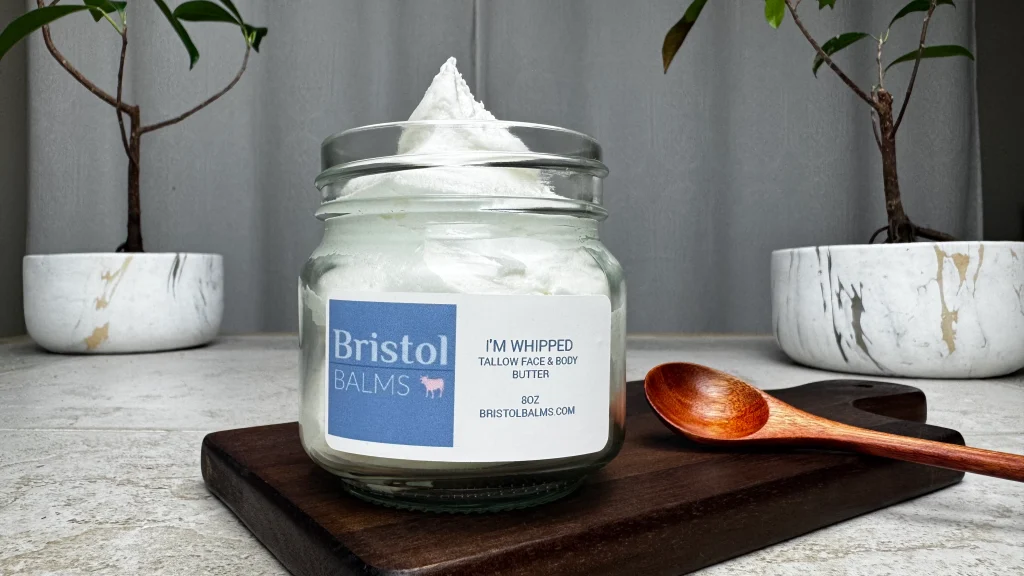
Companies like Bristol Balms are reintroducing animal fats as premium skincare ingredients, focusing on grass-fed sourcing and ethical production.
Common Concerns About Animal Fats in Skincare
1. Are They Sustainable?
Yes! Grass-fed tallow, for example, is a byproduct of ethical farming practices, making it a sustainable and eco-friendly choice.
2. Do They Clog Pores?
No. Unlike synthetic oils, animal fats like tallow are non-comedogenic and absorb easily without leaving a greasy residue.
3. Are They Ethical?
When sourced from grass-fed, pasture-raised animals, animal fats align with ethical and zero-waste principles.
FAQs: Animal Fats in Skincare
1. Why are animal fats better than plant oils?
Animal fats mimic human sebum more closely, providing deeper hydration and repair.
2. Is lanolin safe for sensitive skin?
Yes, but it should be patch-tested first, as some individuals may have sensitivities to wool-derived products.
3. Does using animal fats harm animals?
No. When sourced responsibly, animal fats are a byproduct of farming and do not involve additional harm to animals.
4. Can animal fats be used on oily skin?
Yes! They help balance oil production and are suitable for all skin types.
Conclusion: Rediscovering the Benefits of Animal Fats
Animal fats like tallow are making a well-deserved comeback in the skincare world. Their unmatched compatibility with human skin, rich nutrient profile, and sustainability benefits make them a superior choice for anyone seeking natural, effective skincare solutions.
Ready to try a product powered by the benefits of tallow? Explore our collection of grass-fed tallow balms and experience the difference for yourself.
Discover how tallow balm harnesses the benefits of animal fats in our main post: What is Tallow Balm.